Fa Rawr: A Designer’s Real-World Embroidery Review
As someone who’s stitched hundreds of designs onto everything from baby onesies to boutique aprons—and sold embroidery assets to Etsy sellers and small shops—I opened Fa Rawr expecting playful energy. What I found was a compact, bold graphic with strong silhouette appeal—but also some real-world embroidery considerations that go far beyond “it looks cute on screen.” Let’s talk about how Fa Rawr actually behaves when translated into thread.
First Impression: Bold, Simple, and Surprisingly Versatile
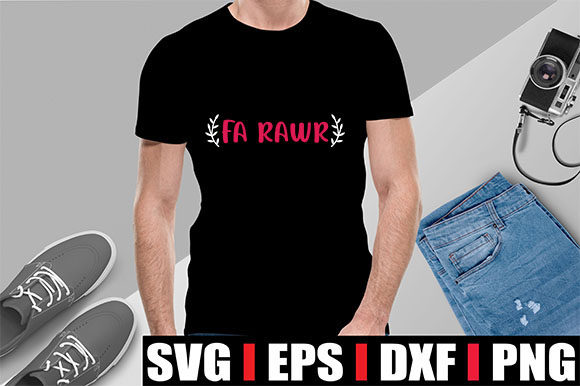
Fa Rawr lands with immediate personality—clean lines, confident shape, and a subtle tongue-in-cheek charm. It reads well at small sizes, which is promising for patches, cap fronts, or baby onesie accents. The design feels like it belongs in a modern craft business: think handmade tote bags for a local coffee roaster, embroidered sweatshirts for a kids’ yoga studio, or minimalist nursery pillows. Its strength isn’t in fine detail—it’s in presence. That makes it ideal for machine embroidery design where clarity trumps complexity.
How Fa Rawr Performs on Real Fabric
I tested Fa Rawr on three common project types: a medium-weight cotton tote bag, a 100% cotton unisex sweatshirt, and a lightweight tea towel. On the tote, it stitched cleanly with standard cutaway stabilizer—no puckering, no distortion. The satin stitch edges held crisp definition, and the overall fill stitch density felt balanced—not so heavy it stiffened the fabric, not so light it looked washed out.
On the sweatshirt? Slightly more attention needed. The knit texture required a tear-away + cutaway combo stabilizer, and I slowed my machine speed by 20%. But Fa Rawr held up. No skipped stitches, no thread breaks. That’s a win for any custom apparel maker juggling bulk orders.
The tea towel was the most revealing test. Because linen-cotton blends shift easily and show stabilizer marks, I used a lightweight water-soluble topping—and Fa Rawr stayed sharp. The design didn’t bleed into the weave, and the clean outline made it feel intentional, not rushed. That matters when you’re pricing a personalized gift at $48 and want customers to feel the value in every stitch.
Where Fa Rawr Shines (and Where It Needs Care)
Fa Rawr excels in contexts where legibility and brand cohesion matter: boutique merchandise, holiday embroidery (think “Rawr” on a toddler’s Halloween romper), or even wedding favors—imagine it stitched subtly on linen napkins for a playful forest-themed reception. It also translates beautifully into an embroidered patch, especially when backed with heat-seal adhesive for iron-on use.
But here’s where judgment matters: avoid using Fa Rawr on highly textured fabrics like bouclé or thick terry cloth without significant digitizing adjustments—it wasn’t built for deep pile. Likewise, on thin or stretchy fabrics (like jersey baby bodysuits), test your hoop tension and stabilizer weight first. And while it works on dark fabric, remember that lighter thread colors will need extra underlay or topping to prevent shadowing.
Curved surfaces—like cap fronts—require careful placement. Fa Rawr has no extreme angles or tiny interior corners, so it adapts well, but always do a baste stitch first to confirm alignment before committing.
Design Integrity & Customer Trust
When buyers see a handmade product with Fa Rawr stitched cleanly, they don’t just see a logo—they sense intention. The design’s balance between simplicity and character builds trust: it says “I chose this because it fits,” not “I grabbed whatever was trending.” That’s critical for Etsy sellers and small shop products, where perceived quality directly affects repeat sales and reviews.
I’ve seen too many digital embroidery files fail at scale—not because they’re poorly drawn, but because their vector paths don’t translate to smooth satin stitches or their fill areas create uneven density. Fa Rawr avoids those pitfalls. Its outlines are smooth, its interior space is open enough for breathable stitching, and there’s no unnecessary micro-detail that would vanish under thread.
Practical Designer Notes Before You Stitch
- Always test first: Run Fa Rawr on scrap fabric matching your final project’s weight, stretch, and color.
- Check thread contrast: Try it in black thread on cream fabric, then white thread on navy—see how readability shifts.
- Review stitch density: If your machine flags high-density warnings, consider reducing fill density slightly rather than scaling down the entire design.
- Confirm hoop size: While Fa Rawr fits comfortably in a 4x4 hoop, double-check your file’s actual dimensions—especially if you plan to resize for larger applications like pillow covers.
- Inspect small details: Zoom in on any fine line work or tight curves. Even simple graphics can hide digitizing inconsistencies at stitch level.
- Mock it digitally: Drop Fa Rawr into a printable mockup—both light and dark backgrounds—to preview how it’ll look in listings or social posts.
- Stabilizer strategy: Use cutaway for knits, tear-away for stable wovens, and water-soluble topping for napped or delicate surfaces.
- Licensing check: Since Fa Rawr is distributed as a digital embroidery file with PNG, JPG, EPS, and DXF formats, verify whether commercial use is permitted before selling finished items or reselling the design assets.
Final Thought: Less Is More—When It’s Done Right
Fa Rawr doesn’t try to be everything. It’s not a floral monogram or a photorealistic animal portrait. It’s a confident, scalable, stitch-friendly graphic that works across T-Shirt Designs, kitchen textiles, baby gear, and boutique branding—all because it respects the limits and language of real embroidery. For creative entrepreneurs building a cohesive product line—or for crafters who want a design that looks professional without demanding pro-level digitizing skills—it’s a smart, reliable choice. Just remember: even the best graphics need thoughtful execution. Let Fa Rawr do the talking—but make sure your stabilizer, thread, and testing do the supporting.