Christmas Carol: A Designer’s Real-World Embroidery Review
First Impression: Festive, Clean, and Quietly Confident
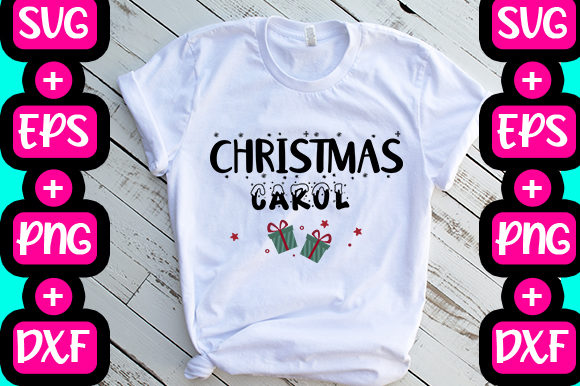
When I opened Christmas Carol for the first time, I wasn’t greeted with frantic swirls or over-the-top ornamentation. Instead, it offered calm holiday elegance — a balanced composition with clear negative space, legible letterforms, and subtle rhythmic spacing. It feels like a design that breathes, not one that shouts. As an embroidery designer who’s stitched hundreds of holiday motifs, I immediately sensed its strength: it’s built for clarity, not clutter. That matters immensely when translating vector graphics into thread.
Real-Life Test: A Custom Embroidered Tote for a Local Boutique
Last week, I used Christmas Carol on a natural linen tote bag for a small-town gift shop launching their holiday collection. The goal was handmade charm without looking DIY-in-a-rush. I chose a soft sage green fabric and paired it with ivory thread — not stark white, but warm and tactile. The result? Instant cohesion. The lettering stayed crisp, the curves held shape, and the overall scale felt intentional, not imposed. Customers didn’t just see “a Christmas design” — they saw a curated detail, something that elevated the tote from utilitarian to giftable.
Where Christmas Carol Truly Shines
- Custom apparel: Works beautifully on crewneck sweatshirts and relaxed-fit tees — especially when placed slightly off-center on the chest or upper back.
- Baby embroidery: Its clean lines and moderate size make it ideal for onesies, burp cloths, or knit blankets — no tiny, fragile details that snag or unravel.
- Embroidered patch: With minimal internal complexity, it stitches cleanly as a sew-on or iron-on patch — great for aprons, denim jackets, or holiday market merchandise.
- Holiday gifts & boutique branding: It reads well at 3.5–4.5 inches wide — large enough to register on a tea towel or pillow cover, small enough to feel refined on a ceramic mug sleeve or mini canvas pouch.
- Digital embroidery file versatility: Though marketed as a T-Shirt Design and Graphics asset, its SVG, DXF, EPS, and PNG formats mean it adapts smoothly to vinyl cutting, printable mockups, or layered paper crafts — useful if you’re bundling physical + digital products.
Where to Use Christmas Carol Thoughtfully
This isn’t a “set-and-forget” embroidery file — and that’s a good thing. Its quiet sophistication means it rewards attention to context. Here’s where I pause before stitching:
- Small hoop sizes: While scalable, avoid shrinking it below 2.75 inches — fine letter spacing can blur in satin stitch at that scale, especially on textured fabrics like terry cloth or bouclé.
- Stretchy or thin fabric: On lightweight knits or ribbed baby bodysuits, use a medium-weight cutaway stabilizer underneath and a light tear-away on top. The design’s open layout helps, but thread tension still needs support.
- Dark fabric: The original outline suggests high contrast — test your thread colors on black or navy cotton twill before committing. A matte charcoal gray thread often reads richer than pure black.
- Curved surfaces (caps, hats): Its horizontal flow works better on front panels than curved crowns. If using on a cap, keep it under 3 inches wide and center it carefully — avoid stretching the lettering across seams.
- Frequent-wash items: For kitchen towels or children’s clothing, confirm stitch density isn’t too sparse — running stitch outlines alone won’t hold up. A light fill stitch behind key letters adds durability without heaviness.
What It Adds to Your Handmade Product — and What It Doesn’t
Christmas Carol doesn’t scream “handmade.” It whispers “thoughtfully made.” That distinction is vital for Etsy sellers and craft business owners. When customers see this on a personalized gift, they don’t question the craftsmanship — they trust the intention. It supports brand consistency because it’s neutral enough to pair with minimalist packaging, rustic tags, or modern typography — no visual competition.
It also lifts perceived value without demanding premium pricing. A $28 embroidered sweatshirt feels elevated with Christmas Carol on the sleeve versus a generic snowflake. And for digital product sellers: offering it as part of a seasonal bundle (e.g., “Holiday Monogram Set”) makes sense — it’s distinctive but not so niche it limits reuse.
Practical Notes Every Embroidery Designer Should Run Through
- Always test Christmas Carol on scrap fabric matching your final project’s weight and stretch.
- Check thread color contrast in both natural and artificial light — some ivories shift yellow under store lighting.
- Review stitch density: look for long satin runs or tight corners that might pucker. Adjust if needed — this file responds well to minor tweaks.
- Confirm hoop size compatibility early — especially if layering with other elements (like a small star or wreath accent).
- Inspect small details at actual stitch-out size: are terminals clean? Do serifs hold shape? Zoom in on your embroidery software preview.
- Test it in black-and-white mockups — if it reads clearly without color, it’ll translate reliably across fabric types.
- Compare performance on light vs. dark backgrounds. Some designs lose hierarchy in reverse; Christmas Carol holds up, but verify.
- Use proper stabilizer — especially for commercial embroidery where consistency across 50+ units matters.
- Double-check licensing terms before selling finished products or reselling the digital embroidery file — the listing notes it’s for paper crafts, vinyl, decals, and scrapbooking, but commercial embroidery rights aren’t explicitly stated.
Final Thought: A Reliable, Human-Scale Holiday Asset
Christmas Carol won’t dominate your portfolio — and it shouldn’t. It’s the kind of design that earns repeat use: on a holiday apron for your pop-up stall, a set of matching pillow covers for a client’s nursery, or a limited-run batch of embroidered tea towels for your Etsy shop. It’s quiet, capable, and consistently legible — exactly what you want when your reputation rides on how well a stitch holds up after washing, gifting, or daily use. For designers who value clarity over clutter, and crafters who build trust through thoughtful detail, Christmas Carol isn’t just another holiday graphic. It’s a quietly confident design partner.