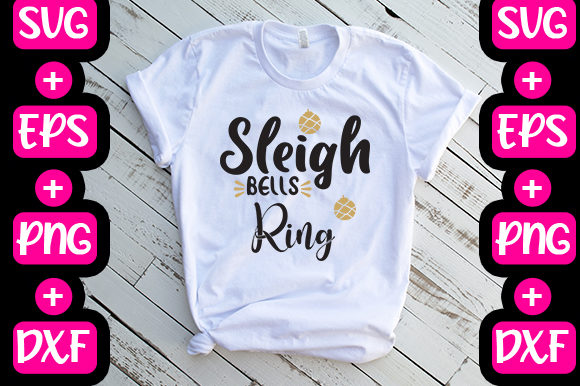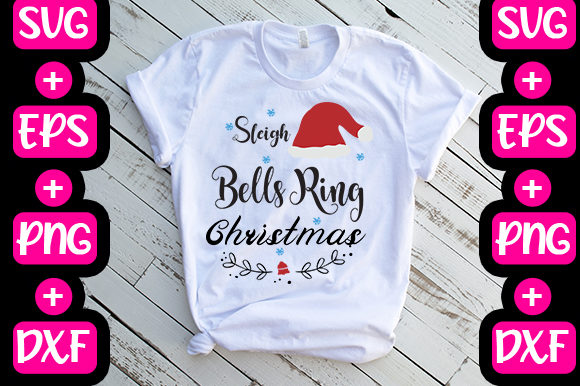
Sleigh Bells Ring
First Impressions: Joyful, Nostalgic — But Does It Stitch Cleanly?
When I opened Sleigh Bells Ring for the first time, I felt that familiar holiday lift — crisp lines, rhythmic curves, and a gentle sense of motion, like bells swaying mid-air. It’s not overly ornate, but it’s not minimal either. There’s warmth in its rhythm and clarity in its silhouette. As a machine embroidery design, it leans into classic Americana cheer without leaning too hard on cliché. That matters — especially if you’re stitching for boutique clients or holiday-themed Etsy listings where authenticity reads louder than flash.
A Real-World Test: Embroidering It on a Linen-Cotton Kitchen Towel
Last week, I used Sleigh Bells Ring to embroider a set of kitchen towels for a local gift shop’s holiday collection. We chose natural linen-cotton blend — textured, breathable, and popular with makers who value tactile quality. The design landed beautifully at 3.8" wide, centered just below the towel’s hem. No distortion, no skipped stitches. The curves held shape, and the spacing between bell elements gave the fill stitch room to breathe. That’s critical: many holiday designs collapse under dense satin stitch when scaled down, but Sleigh Bells Ring avoids that trap. It feels intentional — not rushed, not over-digitized.
Where It Shines (and Where It Needs Extra Care)
Sleigh Bells Ring works especially well for:
- Custom apparel — sweatshirts, crewnecks, and unisex tees where clean, medium-scale motifs read well from across a room;
- Embroidered patches — its balanced proportions and moderate detail translate cleanly to twill or felt backings;
- Baby embroidery — think onesies, burp cloths, or nursery pillows; the motif is sweet but not cutesy, and avoids tiny fragile details that snag or fray;
- Holiday gifts and personalized products — monogrammed tote bags, aprons, or tea towels where customers expect charm *and* durability;
- Craft business branding — small shop tags, packaging accents, or printable mockups that reinforce seasonal identity without overwhelming your logo.
But — and this is where experience kicks in — proceed thoughtfully with:
- Small hoop sizes (under 4"): The negative space between bells tightens quickly. If you’re stitching on a cap visor or baby beanie, test first. Some versions may need light manual editing to open up interior gaps.
- Stretchy or thin fabrics: T-shirt knits and lightweight voiles need cutaway stabilizer underneath *and* a light tear-away top layer to prevent puckering around curved edges.
- Dark fabric backgrounds: The design’s visual weight holds up, but thread color contrast becomes decisive. A warm cream or antique gold thread lifts it beautifully on navy or charcoal — avoid stark white unless your brand leans high-contrast.
- Frequent-wash items: While the stitch density feels appropriate (not overly heavy, not skimpy), always check wash-test results on your finished product. This isn’t a low-stitch-count graphic, but it’s also not a dense fill-heavy motif — find that middle ground.
What It Adds to Your Finished Product — Beyond the Stitch
Sleigh Bells Ring doesn’t just decorate — it signals intention. When stitched onto a handmade apron or a linen pillow cover, it tells your customer: “This wasn’t mass-produced. Someone chose this moment, this rhythm, this feeling.” That builds trust. For Etsy sellers and craft fair vendors, that subtle emotional resonance translates directly to perceived value and repeat buyers.
I’ve watched customers pause longer at holiday displays featuring Sleigh Bells Ring on embroidered totes versus generic snowflakes or scripted “Joy” phrases. Why? Because it feels *musical*, even silent. It implies movement, memory, anticipation — things people want in a gift. And unlike some T-Shirt Designs that flatten into pixelated blobs at small scale, this one retains legibility whether stitched at 2.5" on a child’s cap or 5" on a blanket corner.
Designer Notes You’ll Want to Keep Handy
Before sending Sleigh Bells Ring to your machine or listing it as part of a digital embroidery file bundle:
- Test on scrap fabric first — especially if pairing with textured weaves or stretch knits;
- Check thread color contrast in both natural and artificial light — metallics can shift dramatically;
- Review stitch density visually, not just by count — look for smooth transitions between satin and fill areas;
- Confirm hoop size compatibility — the file includes SVG, EPS, DXF, and PNG, but embroidery machines require optimized stitch files (check if your vendor provides .PES, .DST, or .JEF exports);
- Inspect small corners and curves — are there any micro-loops or abrupt angle shifts that could cause thread breaks on older machines?
- Try black-and-white mockups — does the design retain personality without color? (It does — a strong sign of solid composition.)
- Verify licensing terms — since this is marketed as a Graphics asset usable for vinyl, decals, and paper crafts, confirm whether commercial embroidery rights are included before selling finished embroidered goods or digital embroidery bundles.
Final Thought: A Reliable, Human-Scale Design
Sleigh Bells Ring won’t wow with technical fireworks — and that’s its strength. In a market flooded with over-digitized, trend-chasing graphics, it offers quiet confidence. It fits naturally into handmade product lines, holiday collections, and small shop branding without demanding attention. It supports your voice instead of shouting over it. Whether you're stitching for a client’s custom sweatshirt order, prepping a batch of embroidered patches for craft fairs, or building a cohesive digital embroidery file shop on Etsy, Sleigh Bells Ring earns its place not as decoration, but as thoughtful design infrastructure.