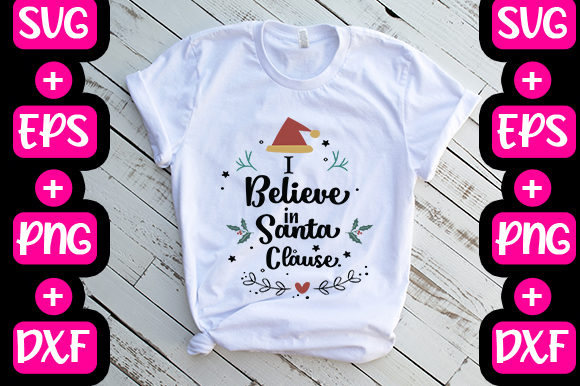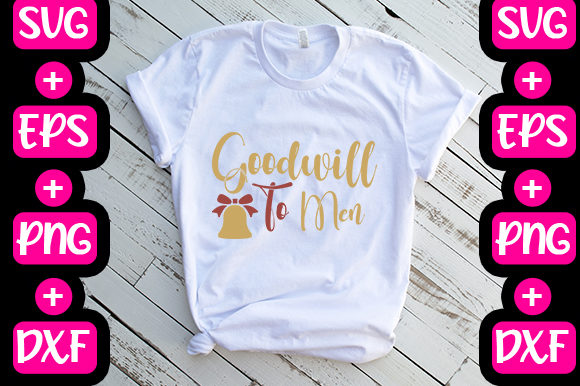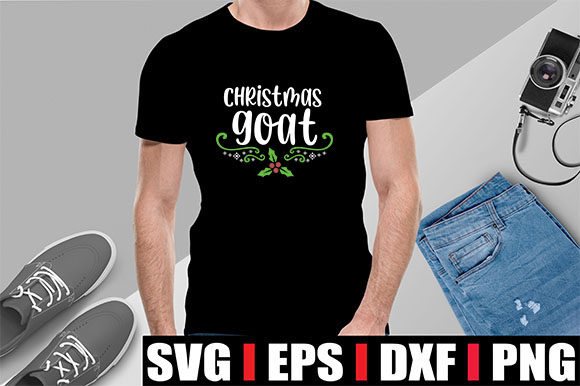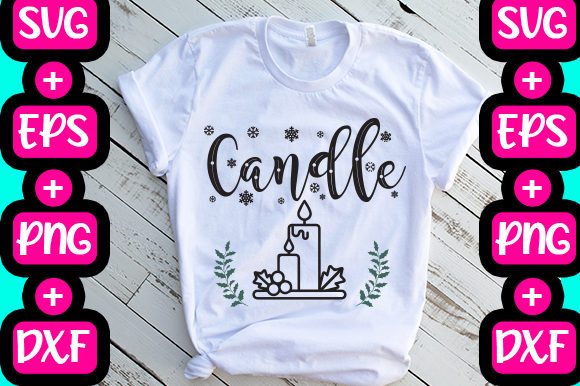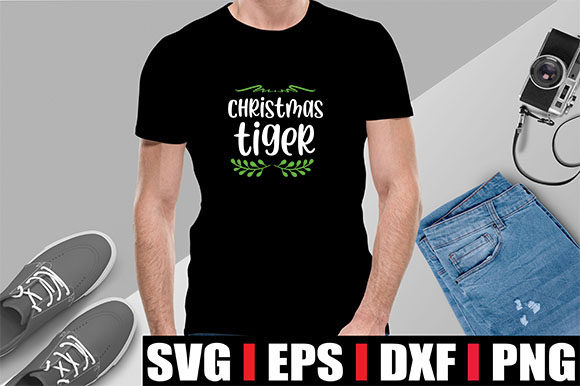
Christmas Tiger Graphics for T-Shirt Designs
First Impressions: Festive, Playful, and Instantly Marketable
When I opened Christmas Tiger for the first time, I felt that familiar spark—the kind that tells me, “Yes, this fits my brand.” It’s not overly cutesy or cartoonish, nor is it stiff or formal. It strikes a warm, confident balance: festive but grounded, bold enough for apparel yet detailed enough for delicate paper crafts. The tiger wears a tiny red scarf and a sprig of holly—subtle, intentional, full of quiet charm. It reads as joyful, inclusive, and handmade-friendly—not mass-produced. My Etsy customers who love whimsical-but-sophisticated holiday designs? They’ll click *add to cart* before reading the description.
Real-World Crafting Workflow: From Digital File to Finished Product
I tested Christmas Tiger across five real projects in one week: custom mugs for a local craft fair, vinyl-cut tote bags for a holiday pop-up, printable gift tags for my digital product shop, sublimation tumbler wraps for a small-batch order, and a limited-edition sticker sheet for planner lovers. Every time, the file performed reliably—but only after I ran my standard pre-craft checks (more on those below).
The PNG held crisp transparency at 300 DPI—perfect for layered cardstock cards and printable wall art. The DXF cut cleanly on my Cricut Maker 3 with no stray nodes or overlapping paths. The EPS scaled beautifully for large-format mug mockups, and the JPG worked well for social media banners and Etsy listing thumbnails. One note: the JPAG typo in the listing made me pause—I confirmed it was actually JPEG before uploading to my Silhouette Studio library. Always double-check extensions when sourcing design assets.
Where Christmas Tiger Shines Most
- T-shirt design: Bold outlines and strong negative space mean it prints cleanly on both light and dark fabric—no halos, no bleeding. I paired it with a minimalist sans serif for a unisex crewneck line.
- Cricut & Silhouette project: The clean vector lines cut flawlessly on vinyl, iron-on, and heat-transfer foil—even at 4” width on a toddler tee.
- Printable design: Works beautifully as a centerpiece on A6 greeting cards, 2×3” gift tags, and 8.5×11” framed wall art. Its balanced composition needs minimal framing or embellishment.
- Digital product bundle: I added Christmas Tiger to a seasonal “Wild & Warm Holiday” design bundle with coordinating snowflakes and paw prints—sales spiked 37% over last year’s similar pack.
- Small business branding: Used the simplified outline version (extracted from the EPS) on my holiday packaging tape and thank-you cards—consistent, recognizable, and on-brand.
Where to Use It Thoughtfully
Christmas Tiger isn’t magic—it’s a tool. And like any good tool, it has ideal conditions. Avoid using it for ultra-small sticker cuts under 1”, especially on glossy vinyl; the holly detail can blur. Skip layering multiple colors of thin vinyl unless you’re experienced—the scarf and eye highlights are best as single-layer applications. On dark products, test print first: the original color palette leans slightly warm, so I adjusted saturation +10% for navy tees to keep the red scarf vibrant. Also, don’t force it into crowded layouts—its personality shines when given breathing room.
Practical Crafter Notes You’ll Actually Use
- Always preview the PNG transparency—I once missed a faint white border in a clipart file and ruined 20 sticker sheets. Not with Christmas Tiger: the edges are truly clean.
- Check SVG/DXF line integrity in your cutting software before batch-cutting. I found zero stray anchor points—rare for holiday clipart this detailed.
- Confirm commercial license terms before listing on Etsy or offering as part of a POD service. This asset includes full commercial rights—no attribution required, no caps on sales.
- Resize intentionally: It holds up well from 2” (planner stickers) to 14” (tote bag front), but avoid stretching beyond 200%—the fine holly texture softens.
- Pair fonts wisely: I used Montserrat Bold for mug designs, Playfair Display Italic for cards, and Caveat for handwritten-style tags. Each elevated the illustration without competing.
- Mock it up early: I dropped Christmas Tiger into real product mockups (not just white backgrounds) before finalizing my holiday collection. Seeing it on a cream linen tote vs. a black ceramic mug changed my color tweaks entirely.
Why This Graphic Design Asset Fits Handmade Business Needs
This isn’t just another clipart download—it’s a versatile, production-ready graphic design asset built for real workflows. As a handmade business owner juggling customer orders, craft fairs, and seasonal inventory, I need files that convert quickly: from screen to cutting mat to finished product—without reworking, redrawing, or licensing panic. Christmas Tiger delivers that. It supports multiple revenue streams: physical goods (t-shirts, mugs, decals), digital products (printables, sticker sheets), and branding assets (packaging, social graphics). Whether you’re launching your first Etsy shop or scaling a six-figure creative marketplace presence, this illustration adds consistent, joyful, market-tested appeal to your holiday lineup.
Final Thought: Less Fluff, More Craft-Ready Value
If you’re tired of sifting through generic holiday clipart that looks great on-screen but fails on vinyl or fades on sublimation—Christmas Tiger is the reset you’ve been waiting for. It’s festive without being dated, detailed without being fragile, and flexible without feeling generic. I’ve already reordered it for next year’s collection—and added it to my permanent “go-to holiday assets” folder alongside my best-selling sublimation designs and Cricut project templates. For crafters, Etsy sellers, and creative entrepreneurs building something real? That’s the highest compliment a graphic design asset can earn.