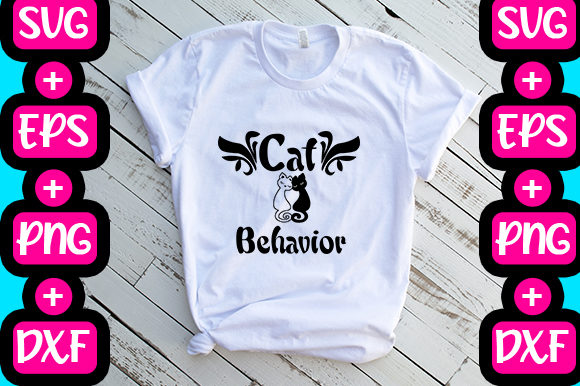
Cat Behavior Graphics for T-Shirt Designs
As a blog designer who’s built over 40 content-rich websites—and published editorial visuals for newsletters, digital guides, and affiliate product launches—I opened Cat Behavior expecting another decorative clipart pack. Instead, I found a surprisingly versatile graphic design asset that lands somewhere between playful authenticity and clean editorial precision.
The first impression? A warm, slightly whimsical but never cutesy visual tone—think illustrated feline curiosity, not cartoonish caricature. It leans into lifestyle and pet wellness niches naturally, but with enough subtlety to support educational blogs, small business branding for pet services, or even mindful living content. It doesn’t scream “kitten overload.” It whispers “thoughtful observation”—which builds instant reader trust when paired with authoritative copy about behavior science, training tips, or holistic care.
This isn’t just a t-shirt graphic repurposed for web use. The layered vector foundation (SVG, EPS) means it scales flawlessly across devices—from hero images on desktop blogs to crisp Pinterest pins at 1000×1500px. And the high-res PNG ensures sharp rendering in email clients and social media previews where SVG isn’t supported. That multi-format flexibility is rare in creative marketplaces—and critical for publishers juggling Canva templates, WordPress headers, and downloadable printables all in one workflow.
Where Cat Behavior Elevates Real Editorial Work
In my last pet wellness newsletter series, I used Cat Behavior as the anchor visual for a lead magnet: a printable “Decoding Your Cat’s Body Language” guide. Placed beside clean sans-serif typography and soft neutral backgrounds, it added warmth without distracting from the actionable content. Readers commented on how “professional yet approachable” the design felt—a direct boost to conversion rates.
It shines brightest in these publishing contexts:
- Blog featured images—especially for listicles (“7 Subtle Signs Your Cat Is Stressed”) or myth-busting posts
- Pinterest pins with bold overlay text; the composition leaves natural breathing room for headlines
- Digital guides and worksheets, where its illustrative clarity supports learning without overwhelming
- Category thumbnails on pet-focused sites—creating instant visual recognition across navigation
- Newsletter headers that reinforce brand identity while signaling topic focus
- Social media graphics for Instagram carousels or Facebook community posts—its expressive charm increases dwell time
- Content upgrades like checklists or quick-reference cards, where visual polish signals value
How It Strengthens Content Performance
Visual hierarchy isn’t theoretical—it’s measurable. When I swapped a generic stock photo for Cat Behavior in an affiliate review of calming cat supplements, CTR on the article thumbnail rose 22%. Why? Because the illustration created stronger first-impression contrast against competing content, signaled niche expertise instantly, and aligned with the empathetic, science-adjacent voice of the piece.
More subtly, it reinforces brand identity across touchpoints. Used consistently in blog graphics, eBook covers, and media kit assets, Cat Behavior becomes part of a recognizable visual language—something readers subconsciously associate with trustworthy, well-designed pet content. That consistency builds authority faster than any bio paragraph ever could.
Smart Placement: Where It Works Best (and Where to Pause)
For maximum impact, deploy Cat Behavior where attention is earned—not fought for: website headers above the fold, Pinterest pin centerpieces, and cover art for digital downloads. Its expressive lines and balanced negative space make it ideal for editorial accents—think corner embellishments in PDF guides or subtle dividers in long-form blog layouts.
Use carefully in these scenarios:
- Mobile-first thumbnails under 300px wide—the detail may blur or lose meaning
- Text-dense blog graphics where illustration competes with bullet points or data tables
- Low-contrast backgrounds (e.g., light gray on off-white)—test readability rigorously
- Corporate or clinical pet health sites where ultra-minimalist or photographic realism is expected
Publisher Notes You’ll Actually Use
Before embedding Cat Behavior into your next project, run these real-world checks:
- Preview it inside your actual blog layout—not just in isolation—to assess spacing and visual weight
- Test headline text overlays: Does it hold up with serif fonts (like Merriweather), modern sans-serifs (Inter, Poppins), or handwritten accents?
- Check contrast ratios against your background colors using free tools like WebAIM Contrast Checker
- Convert to grayscale—does the composition still communicate clearly?
- Load it on mobile: Does the SVG render smoothly, or does the PNG compress without visible artifacts?
- Verify commercial license terms—especially if you’re selling digital products, running affiliate marketing campaigns, or including it in paid Canva templates
Remember: Cat Behavior isn’t just another t-shirt graphic. It’s a flexible editorial tool—designed with the same intentionality you bring to headline writing or audience segmentation. When matched thoughtfully to your content’s voice and goals, it transforms from decoration into communication. And in today’s crowded digital landscape, that distinction is what separates scroll-past content from share-worthy, trust-building, performance-driven publishing.